-
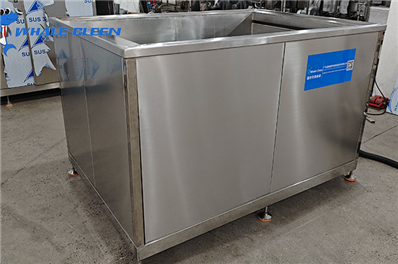 How Ultrasonic Cleaning Machines Optimize the Cleaning Process in Food Processing Equipment
In the food processing industry, maintaining stringent hygiene standards is paramount. Food contamination can lead to severe health risks, recalls, and reputational damage. Traditionally, cleaning processes in food processing facilities involve manual scr
-
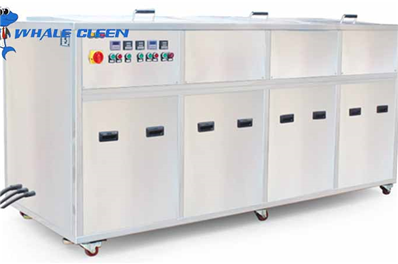 Why Do People Use Ultrasonic Cleaners? The Ultimate Guide to Ultrasonic Cleaning Technology
In today's world of advanced cleaning technology, ultrasonic cleaners have become increasingly popular across various sectors. But what drives people to choose these sophisticated cleaning devices? The answer lies in their unparalleled cleaning capabi
-
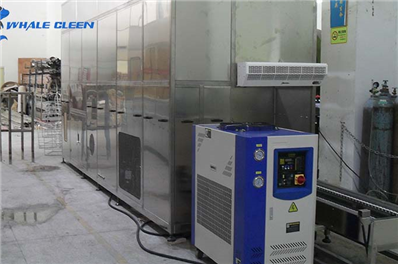 How to Remove Grinding Dust from Blind Holes and Gaps: Industrial Ultrasonic Cleaning Practical Guide
Grinding, deburring, and polishing operations leave fine dust that is easy to see on open surfaces and almost impossible to remove from blind holes and narrow gaps. Compressed air blows some dust out but pushes the rest deeper. Brushes cannot reach the bo
-
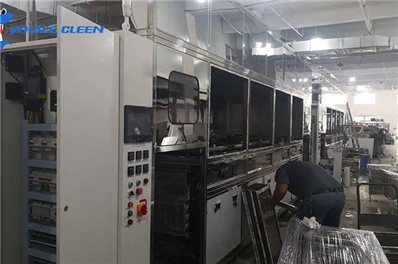 Ultrasonic Cleaning Machine: How to Remove Thick Oxide Scale Without Acid Pickling
Thick oxide scale is one of the most stubborn contaminants in industrial parts cleaning. It forms on steel, castings, forgings, and welded components after heat treatment, hot rolling, or high-temperature processing. In many plants, the default solution i
-
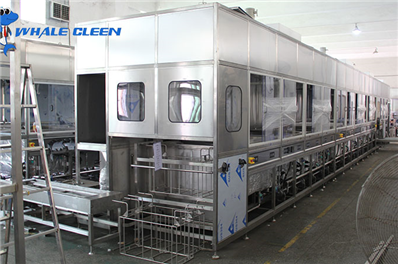 Precision Metal Stamping Parts Cleaning: Key Ultrasonic Equipment Selection Points — Why Whale Cleen Delivers Consistent, Damage‑Free Results
In high‑volume metal stamping production, cleaning is a process that is often underestimated—until it becomes the bottleneck. Stamped parts emerge from the press coated with heavy stamping oil, microscopic metal fines, and occasionally coolant residues. L
-
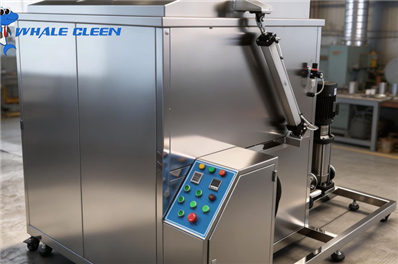 High-Volume Auto Parts Cleaning: Choosing the Right Ultrasonic Machine Saves Significant Costs
In the competitive world of automotive parts manufacturing, every minute and every cent counts. High-volume production of engine blocks, transmission housings, gears, shafts, and valve bodies demands not only precision machining but also equally precise a
-
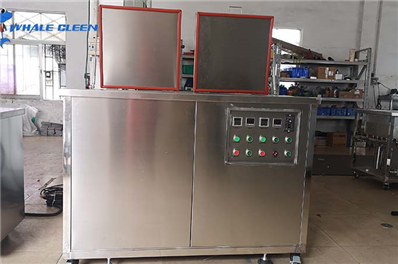 Production Capacity Stuck Because Cleaning Is Too Slow? Don't Let Your Cleaning Line Become the Factory's Bottleneck
Every production manager knows the feeling. You've optimized the machining center. You've streamlined assembly. You've even fine-tuned packaging. But somewhere in the middle of your production line, there's a bottleneck that no amount of s
-
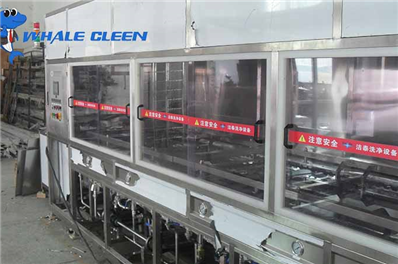 Cleaning Agent Consumption Spiraling Out of Control? How This Equipment Helps You Cut Chemical Costs
Every manufacturing manager knows the drill. You budget for cleaning chemicals, but somehow the actual spend keeps climbing. Drums of expensive cleaning agents disappear faster than expected. Waste disposal costs rise in tandem. And despite the growing ex
-
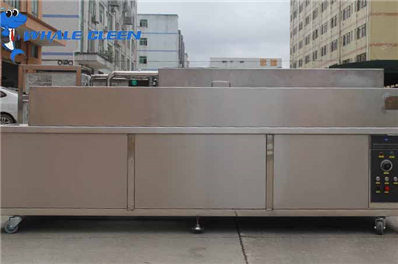 Blind Spots and Dead Corners Causing Customer Complaints? Don’t Let Incomplete Cleaning Ruin Your Entire Order
In precision manufacturing, there is one mistake that buyers rarely forgive: contamination hidden where it shouldn’t be. You may have delivered parts on time, met all dimensional specifications, and passed visual inspection—but if a customer discovers res
-
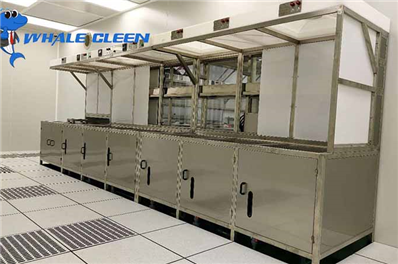 How to Choose the Right Power for Ultrasonic Cleaners: A Data-Driven Guide
Shocking Fact: 60% of Ultrasonic Cleaners Waste Energy Due to Wrong Power Selection A factory lost$47,000/yearin electricity costs because their 30kW cleaner only converted15% of energyinto effective cavitation. Meanwhile, another plant damaged delicat
-
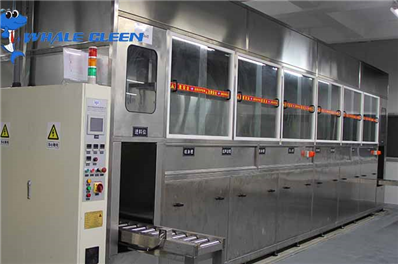 How to Reduce Ultrasonic Cleaner Noise: Effective Solutions and Practical Tips
Ultrasonic cleaners are widely used in industries, laboratories, and medical facilities for their efficient cleaning capabilities. However, the noise they produce (typically 65-85 dB) can be disruptive and even harmful with prolonged exposure. Understandi
-
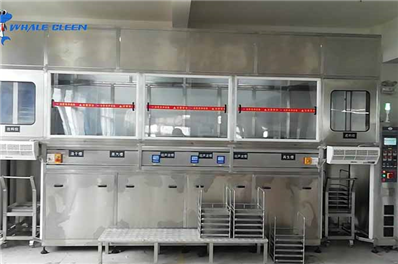 How to Properly Position an Ultrasonic Cleaner? Complete Placement Guide for Optimal Performance
Proper placement of your ultrasonic cleaner significantly impacts its efficiency, safety, and longevity. Whether for home use or industrial applications, following correct positioning guidelines ensures maximum cleaning performance while preventing potent